Algorithms and the Black Box of Technology
Algorithms in Technology
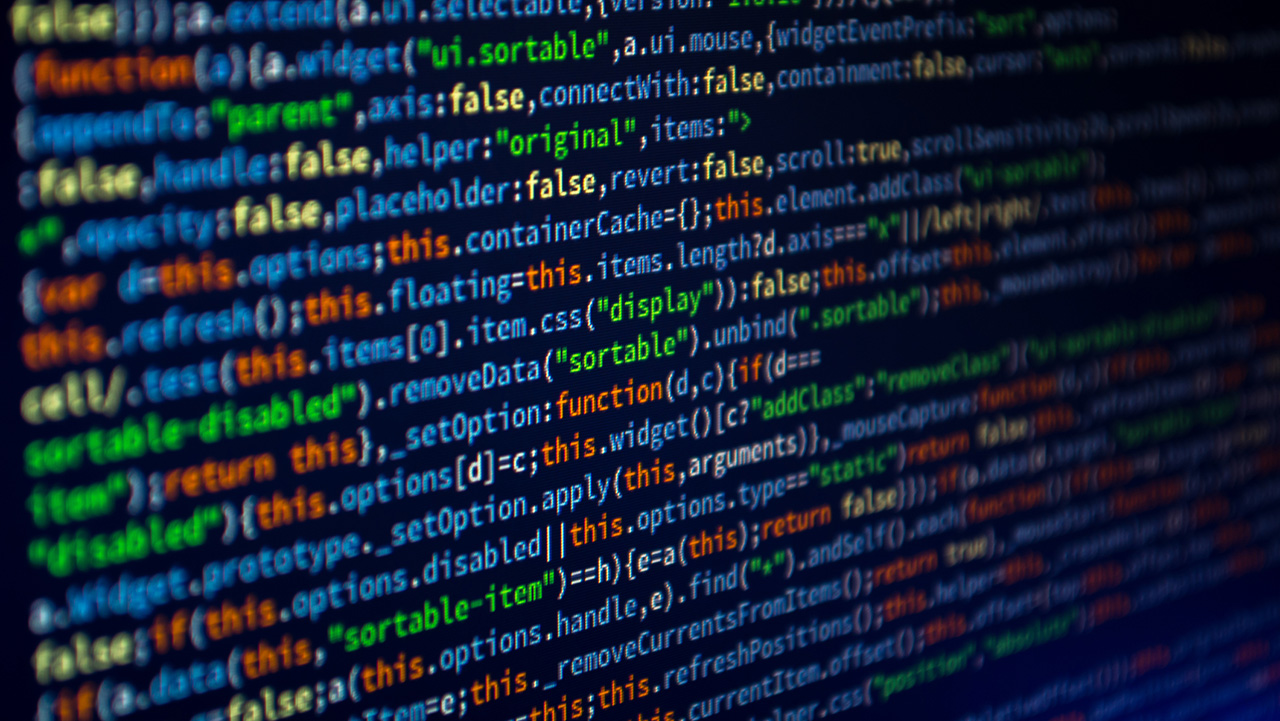
Algorithms are the step-by-step processes of how things happen and are a part of everything we do in our life. Algorithms can be simple or complex. For this particular blog, I will be focusing on how algorithms affect your technology.
Have you ever wondered how particular ads pop up
on your computer or Social Media?
- According to Lawrence (2022), "We don't need to know the exact formula - ... - but we can keep an eye on inputs and outputs, make assumptions, run tests, and optimize our content in such a way that we might achieve realistic goals" (pg. 82). When you search items on websites such as vacations sites, Amazon, looking for teacher ideas for the classroom, or following a particular person/group on Social Media, it sends an algorithm to companies that you are interested in a particular item and chooses ads that fit your particular interest. "An algorithm determines what is displayed to you: a process or a set of rules that sorts through the possible posts and displays them in a particular way to you" (Lawrence, 2022, pg. 82) These algorithms are a written code with multiple inputs and outputs. Some of these are created by humans and others are created by Artificial Intelligence (AI).
- I read a study on "Consumers' persuasion knowledge of algorithms in social media advertising" by Voorveld, Meppelink, and Boerman (2023), that said "Social media advertising and brand communication are increasingly driven by algorithms" (Discussion and conclusion, para. 1). This study had four different control groups that compared their knowledge of the algorithms and Social Media. The link below takes you to the study if you are interested in reading more.
- I also looked through some YouTube videos to see if I could find out how to calculate an algorithm in order to promote better digital media. In my research, I found a video by Don Crowther (2023) that said, it is not important to try to figure out the algorithm to have better advertisement but to have consistency in your writing. Companies who write the algorithms also punish those who try to bypass it. As a math person, algorithms interest me but it sounds as if they are more complex than what my brain can handle. So for now, I will learn the best way to promote myself on digital media and let the algorithms to AI.
Consistency - The Key To Digital Marketing Success - Don Crowther
References
Crowther, D. (2023, January 21). Consistency - the key to digital marketing success - Don
Crowther. YouTube. https://www.youtube.com/watch?v=yKgssv5wdj8
Lawrence, D. (2022). Digital Writing: a guide to writing for social media and the web.
Broadview Press.
Vooveld, H. A. M., Meppelink, C. S., Boerman, S. C. (2023). Consumers' persuasion
knowledge of algorithms in social media advertising: identifying consumer groups
based on awareness, appropriateness, and coping ability. International Journal of
Advertising: 1-27.
https://www.tandfonline.com/doi/full/10.1080/02650487.2023.2264045


I really enjoyed reading your post! I think algorithms in technology are fascinating and honestly a little bit scary. Your exploration of algorithms in technology highlights the influence it has on our digital experiences. As you've noted and according to Lawrence (2022) algorithms "can have enormous impacts on how public discourse takes shape and can influence the way public opinion develops" (p. 80).
ReplyDeleteReferences:
Lawrence, D. (2022). Digital writing: A guide to writing for social media and the web. Broadview Press.
Algorithms in technology are certainly alarming. I have searched a product on Google to learn more about it or put something in my Amazon cart only to find ads for similar products start appearing on my social media feed. It certainly isn't coincidence. Companies and websites are collecting information on us all as we navigate the internet. "What if for every advertisement you were served on Facebook, the company had to provide a report that told you how you were targeted? This might help users understand the depth and complexity of the data that is collected about them" (Lawrence, 2022, p. 81). We, as educators, have a responsibility to teach students to think critically when using social media and the internet, as a whole. "Analyzing social media use through the lens of critical citizenship can be a powerful way to practice critical citizenship and, as a result, change how students interact with and use the medium toward more productive ways" (Durham, 2019, p. 761). Instead of blindly following the content that our social media feeds present to us, we all need to take a step back and remember that this content is curated through the use of algorithms that monitor our online activity. We can take back control of what we see online when we remember this fact and use social media and the internet intelligently.
ReplyDeleteDurham, B. S. (2019). The nexus of critical citizenship and social media. Contemporary Issues in
Technology & Teacher Education, 19(4), 754-769.
Lawrence, D., (2022). Digital writing: A guide to writing for social media and the web.
Broadview Press.
Computer algorithms are both exciting and mind-boggling. We all have an example of talking about something with a friend at lunch only to find ads on your phone later that day without having looked anything up. Although helpful, it can be scary to think about the algorithms that seem to know us better than ourselves. Lawrence (2022) defines the term “black box” as “an input or output mechanism which a user can operate without any understanding of its internal contents” (p. 81). I think this explains my use of computer algorithms. Understanding the algorithm is not essential, but knowing how to interact with the algorithm safely is. A study found that “one in five social media users possess very little awareness and coping ability and, therefore, may be very vulnerable” (Voorveld et al., 2023, Practical implications para. 3). This proves the need to focus more on educating users on safe ways to use social media.
ReplyDeleteReferences
Lawrence, D., (2022). Digital writing: A guide to writing for social media and the web. Broadview Press.
Voorveld, H. A. M., Meppelink, C. S., & Boerman, S. C. (2023). Consumers’ persuasion knowledge of algorithms in social media advertising: identifying consumer groups based on awareness, appropriateness, and coping ability. International Journal of Advertising, 1–27. https://doi.org/10.1080/02650487.2023.2264045